E90 BMW Common Wiring Harness Issue - What Symptoms Show Up?
European cars like the BMW E90, Mercedes-Benz, and Audi are masterpieces of integrated technology. But this complexity means that an issue as fundamental as the e90 BMW wiring harness can lead to perplexing symptoms, intermittent fault codes, and frustrating misdiagnoses—especially when proper diagnostic tools and expertise are lacking.
Understanding the E90 BMW Wiring Harness and Its Role
Think of your BMW's wiring harness as the body's nervous system. This intricate bundle of wires routes signals and power between various electronic control units (ECUs), sensors, actuators, and modules throughout the chassis. A fault here doesn't just flick a warning lamp—it can disrupt multiple systems simultaneously.
For the E90, which covers BMWs produced from 2005 to 2013 in the 3 Series, wiring harnesses are particularly vulnerable at key junctions near the engine bay, door sills, and trunk area due to heat, moisture, and mechanical stress.

Why Wiring Harnesses Fail on E90 BMWs
- Connector corrosion: Moisture ingress can oxidize connector terminals causing high resistance or open circuits.
- Wire chafing and breaks: Vibration and rubbing against sharp metal edges can sever or short wires.
- Heat damage: Near exhaust manifolds or engine components, insulation degrades over time.
- Poor repairs or aftermarket wiring: Aftersales meddling without proper BMW standards can cause premature failures.
Common Symptoms of E90 BMW Wiring Harness Issues
Because wiring faults impact multiple subsystems, symptoms can be broad and intermittent, leading to what many workshops describe as intermittent fault codes. Here's what you might notice:
- Random Warning Lights and ECU Error Codes
Warning lamps such as the Check Engine Light (CEL), DSC (Dynamic Stability Control) warning, or airbag indicator may illuminate sporadically. But the catch is that fault codes often seem unrelated or point towards sensors that appear mechanically sound.
- Electrical Gremlins: Doors, Windows, Locks Malfunctioning
Power windows that operate erratically, door lock failures, or interior lighting flickering can be traced back to poor wiring connections especially in the door harnesses.
- Engine Performance Fluctuations
Misfires, rough idling, or hesitation on acceleration sometimes link back to wiring harness issues concerning ignition coils or fuel injectors.
- Communication Errors Between Modules
BMW’s sophisticated communication protocols mean that a wiring fault can cause complete loss of communication with modules such as the transmission control unit (TCU) or ABS. This manifests as sudden, unexplained limp modes or disabled systems.
- Battery Drain or Charging Issues
Damaged wiring can create parasitic drains or erratic signals to the alternator causing inconsistent battery charging.
https://dlf-ne.org/e90-bmw-common-wiring-harness-issue-what-symptoms-show-up/
The Diagnostic Challenge: Why Generic Scan Tools Often Fail
Picture this: a customer comes in with intermittent fault codes logged in their E90’s control modules. A quick plug-in of a universal OBD-II scanner gives some trouble codes but lacks deep Go to this site module-specific data or live parameter readings. Here's where the problem starts:
- Generic OBD-II scanners only scratch the surface. They read stored powertrain codes but can’t delve into airbag, body, or chassis systems, many of which use proprietary communication protocols in BMWs.
- Brand-specific diagnostic software (which requires regular updates to keep pace with BMW’s evolving systems) reveals far more, including live data streams, error history, sensor calibration stats, and network communication status.
- Without access to the latter, guesswork dominates, leading to “parts throwing” and repeat repairs.
Lessons from Real Independent Workshops in Klang Valley
From my 12 years coordinating diagnostic jobs on BMW, Mercedes-Benz, Audi, and Volkswagen in Klang Valley, I’ve seen more than a fair share of wiring harness misdiagnoses. Time after time, workshops would replace sensors or modules flagged by generic OBD-II scans, only for intermittent faults to return because the root cause was wiring-related.
This is why relying on a BMW specialist in Malaysia equipped with updated, brand-specific software is critical. Such specialists don’t just read fault codes; they interpret communication irregularities and voltage drops this software throws up, pointing accurately towards wiring harness faults.
How to Spot an E90 BMW Wiring Harness Problem Early
If you own or service these cars, don't wait for complete system failures. Keep an eye out for:
Symptom Possible Wiring Issue Related System Affected Intermittent DSC, ABS warnings Sensor connector corrosion or shorted CAN bus lines Chassis Stability and Braking Power window operates randomly Damaged door wiring harness Comfort and Convenience Check Engine Light with inconsistent misfire codes Wiring break or poor ignition coil connector Engine Management Sudden limp mode without clear cause Loss of communication on drivetrain modules Transmission and Engine Control Battery draining overnight Short circuit in wiring harness or relay wiring Electrical SystemAvoiding Repeat Repairs: The Right Diagnostic Approach
Whether you own an E90 BMW or work as a technician, here’s my checklist for tackling wiring harness issues:
- Ask: What scan tool was used? Never trust a diagnosis without verifying the software and hardware in use. Generic OBD-II scanners are a starting point but far from conclusive.
- Use updated, brand-specific diagnostic software: This unlocks detailed module-level info, including less obvious wiring-related communication faults.
- Perform thorough visual and physical inspections: Focus on wiring junction points prone to heat and moisture.
- Measure voltage and continuity: Don’t replace parts based solely on codes; test wiring integrity and connector quality instead.
- Engage BMW specialist workshops in Malaysia experienced in E90 electronics—experience cuts down diagnostic time and repair costs.
In Conclusion
The e90 BMW wiring harness issue exemplifies how modern European vehicles are complex integrated systems where a wiring fault can masquerade as sensor or module failure. Without proper diagnostic equipment and know-how, workshops risk misdiagnosing and creating costly repeat repairs.
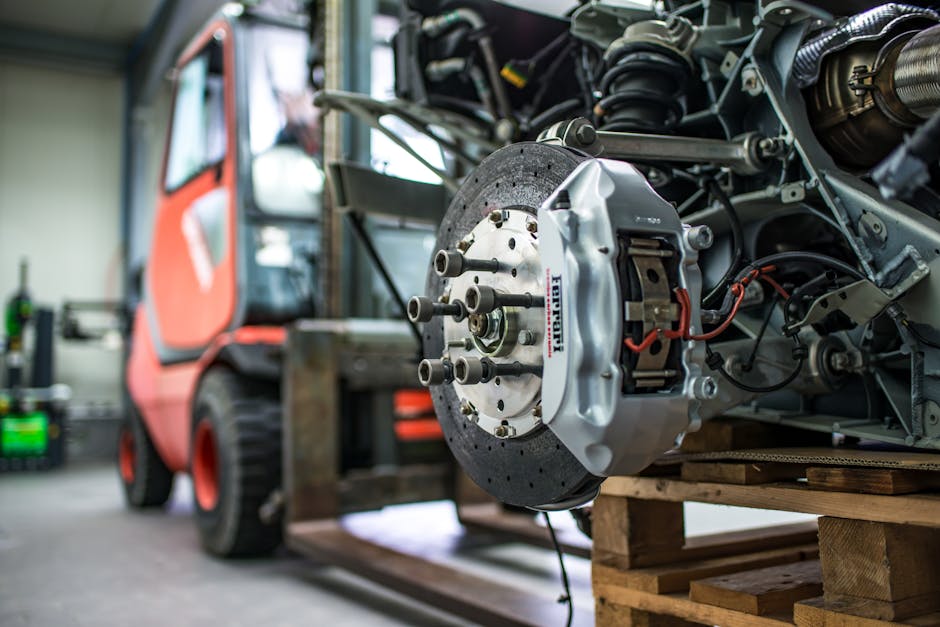
European brands like BMW, Mercedes-Benz, and Audi rely on their brand-specific diagnostic software to navigate the intricacies of integrated vehicle electronics. Generic OBD-II scanners have their place but are often insufficient for true root cause analysis on faults like wiring harness problems.
For BMW owners in Malaysia, partnering with a BMW specialist Malaysia who uses updated diagnostics and understands the common wiring vulnerabilities in the E90 can save time, money, and headaches down the line.
If you've noticed any of these symptoms or want to avoid getting stuck with persistent electrical gremlins, don’t settle for a haphazard “we figure it out” approach. Demand data-driven diagnostics and proper electrical testing—the hallmark of expert service in today’s European vehicles.
```